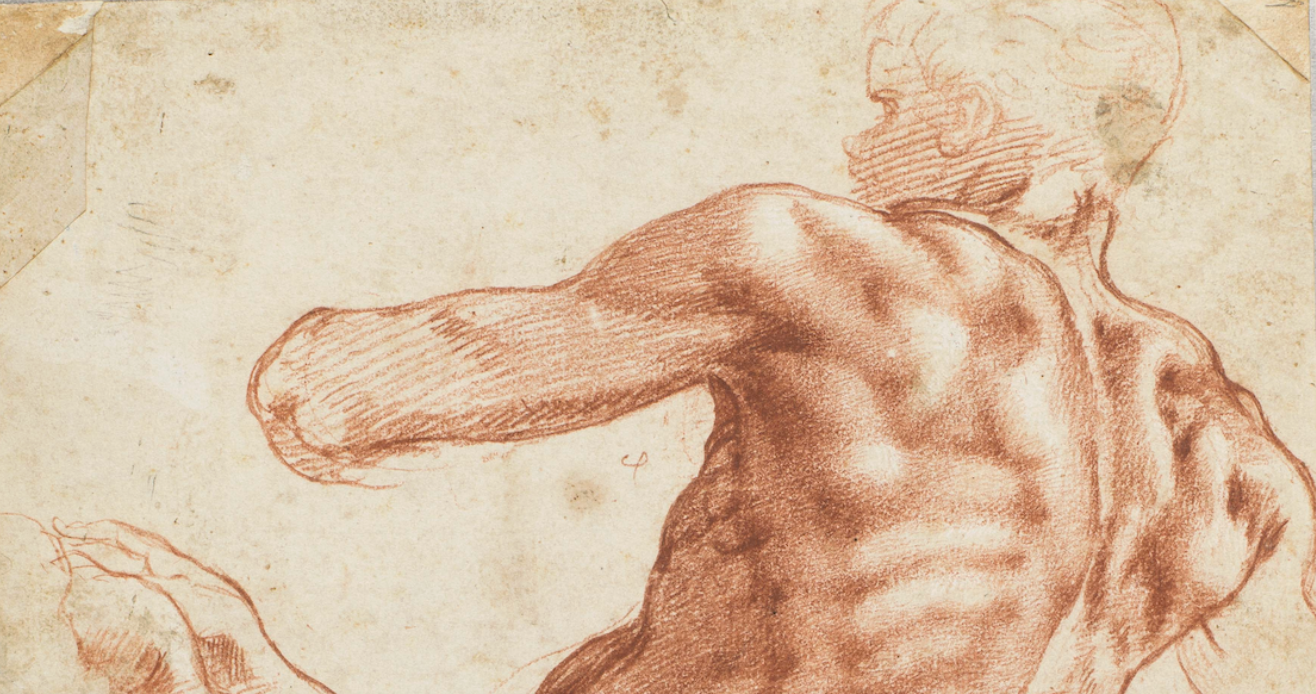
Following two years of monthly newsletter service, it is my pleasure to present the inaugural edition of the Trois Crayons digital magazine. Building on the foundations of the newsletter, the magazine will expand its scope in a visually richer, more accessible format, designed to highlight the stories from the drawings world that deserve to be heard.
Trois Crayons will continue to cover the leading stories in drawings with exhibition reviews, event listings, insights from curators, interviews with experts, and quizzical features such as Real or Fake. But the new magazine will now offer more comprehensive coverage of the field, creating a central hub for news, features, and stories, spanning the everyday, the scholarly, and the market. Trois Crayons remains committed to serving and expanding the drawings community.
This inaugural issue features a submission to the Trois Crayons Museum Forum from the Morgan Library & Museum, New York, international news and exhibition listings, and a Drawing of the Month contributed by Dr. Giovanni Sassu, Director of the Civica Pinacoteca "il Guercino", Cento. Literary, video, and audio highlights follow, alongside the Real or Fake section.
For next month’s edition, please direct any recommendations, news stories, feedback or event listings to tom@troiscrayons.art.
Tom Nevile
Editor
In London, The National Gallery has received record-breaking donations for a new wing and will start collecting 20th century art. £375m of the proposed £400m has already been raised.
Nearby, on Piccadilly, the Society of Antiquaries has launched its own fundraising campaign, 'Past Matters: Shaping Our Future at Burlington House'. The campaign commences with a talks series, running from 28 October – 19 November, which supports the Society's vision to transform its historic home into a world-leading centre for the study of material culture.
In Berlin, a Wilhelm Busch drawing, lost in the Second World War, has returned to the Staatliche Museen zu Berlin. The drawing was discovered on the Swiss art market and, following its identification, was gifted by the owner to the Kupferstichkabinett.
In Argentina, a painting by Giuseppe Ghislandi, stolen from the Jewish art dealer Jacques Goudstikker during the Second World War and recently identified in an estate agent’s advertisement, has been seized by Argentine police.
In Paris, the auctioneers Millon and the cabinet de Bayser have unveiled a significant rediscovered drawing by Daniele da Volterra, which will come to the block on 19 November.
In Amsterdam, research carried out as part of Operation Night Watch has revealed that Rembrandt based the barking dog in The Night Watch on an early 17th-century drawing by Adriaen van de Venne (1590–1662).
IN ART WORLD NEWS
IN GALLERY, ART FAIR AND AUCTION NEWS
2–11 October – Impressionist Printmaking at Emmanuel von Baeyer, 18 Cecil Court (London).
9–30 October – Strange Discoveries: The Art of Denton Welch presented by John Swarbrooke at Fitzroy Square (London).
Until 11 October – Joana Galego: Hiding Behind Gifts at Oliver Projects (London)
15–19 October – Frieze Masters at The Regent’s Park (London).
16 October – Spellbound: The Hegewisch Collection, Part I at Christie’s (London).
16–19 October – Munich HIGHLIGHTS at the Residenz (Munich).
20–24 October – Marie Antoinette - Queen and Court, presented by The Limner Company at Daniel Crouch Rare Books (London).
24 October – 14 November – Peinture du XIXe Siècle at Galerie La Nouvelle Athènes (Paris).
28 October – 2 November – LAPADA at Berkeley Square (London).
Until 20 December – NOBLEcurve, presented by Interval in collaboration with Rafael Valls and Sam Fogg at Interval (London).
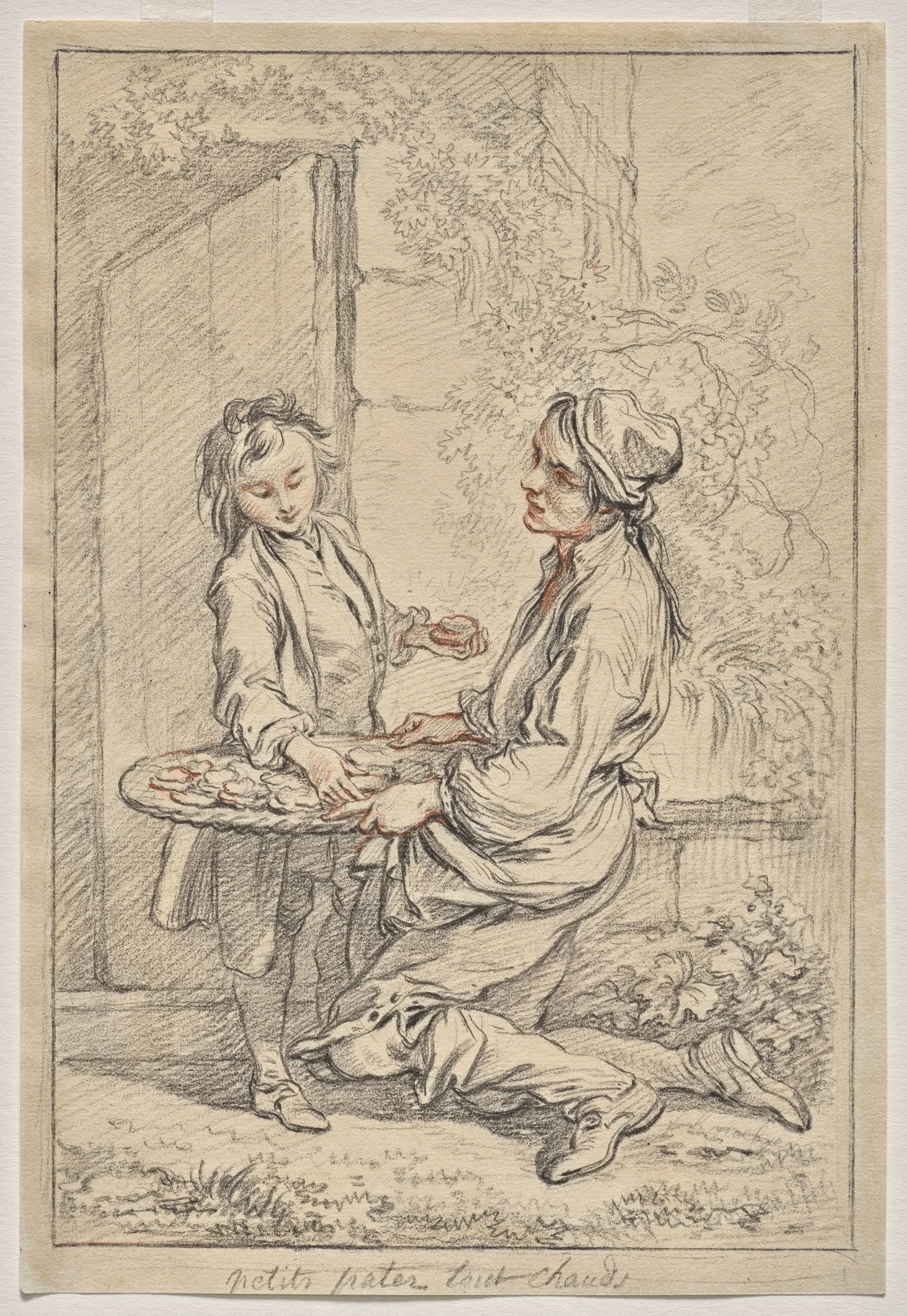
The Cries of Paris: Pastries, Talmouses, All Hot, c. 1737. François Boucher (French, 1703–1770). Black and red chalks on paper; sheet: 25.1 x 16.8 cm (9 7/8 x 6 5/8 in.). The Cleveland Museum of Art, Severance and Greta Millikin Purchase Fund, 2025.140
IN LECTURE AND EVENT NEWS
2 October – Conference: From Raphael to Maratti: Disegnatori delle Marche tra Rinascimento & Barocco at Accademia di Belle Arti di Roma (Rome). Organised by Edizione Nazionale delle opere di Federico Zuccari and L’IDEA | Testi Fonti Lessico. 9.45am. Also available online.
10 October – Opening conference: John Singer Sargent. Éblouir Paris at the Musée d'Orsay (Paris). Speakers: Paul Perrin, Caroline Corbeau-Parsons. 12pm. €12.
16 October – Lecture: Caricatures, Campagna, and Connoisseurs: Thomas Patch and the British Grand Tour in Eighteenth-Century Italy at Lewis Walpole Library (Farmington). Speaker: Hugh Belsey. 7pm. Free with advance registration.
17 October – Lecture: Renoir's Creative Process at The Morgan Library & Museum (New York). Speaker: Colin B. Bailey. 6pm. Free with advance registration.
23 October – Lecture: Unveiling Vermeer: Andrew Graham-Dixon on the Man and his Masterpieces at Friends House, Euston (London). 7pm. £22.99.
22–24 October – Conference: Fragilité. Ästhetische Konjunkturen im 18. Jahrhundert at the University of Tübingen (Tübingen).
30 October – Symposium: Marks on Art at Aula KB – National Library of the Netherlands (The Hague). 10am. €50; €25 for friends of the RKD and students.
6–7 November – Events series: ON DRAWINGS 2025 (New York). Two days of events and conversations among curators, collectors, conservators, and artists focused on historical, modern, and contemporary drawings, organised by The Drawing Foundation. Registration opens 1 October.
IN LITERARY, MUSEUM AND ACADEMIC NEWS
Job opportunity – Curator of British Prints and Drawings (1500-1774) at the British Museum, London. Application deadline: 8 October.
Job opportunity – Curator of Prints and Drawings at the Getty Research Institute, Los Angeles. Application deadline: unspecified.
Fellowship opportunity – The David and Julie Tobey Fellowship at I Tatti, The Harvard University Center for Italian Renaissance Studies in Florence, Florence. Four or six months. Application deadline: 15 November. To support research on drawings, prints, and illustrated manuscripts from the Italian Renaissance for the 2026–2027 academic year.
New publication – Michel Dorigny (1616-1665) Vouet en Héritage, Damien Tellas. Released with Arthena. €125.
New publication – The Story of Tudor Art, Christina J. Farraday. Released with Apollo. £28.
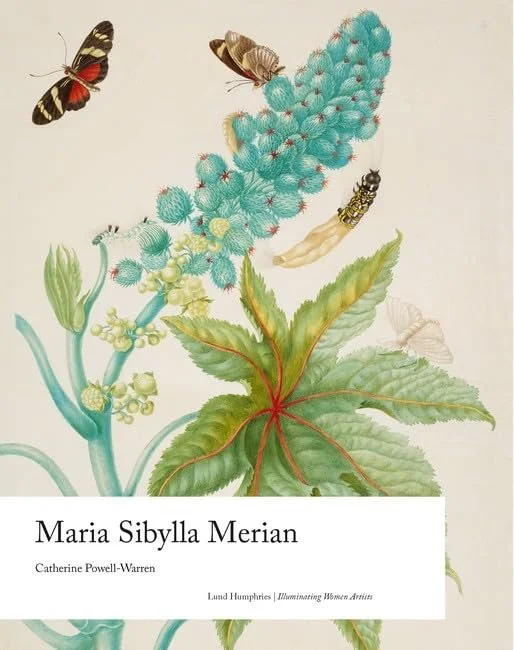
New publication – Maria Sibylla Merian, Catherine Powell-Warren. Released with Lund Humphries. £35.
New publication – Constable, Tim Barringer. Released with Yale Books. $40.
New publication – Vermeer: A Life Lost and Found, Andrew Graham-Dixon. Released 23 October with Allen Lane. £30.
Call for papers – Switzerland between sublime and picturesque: Research on Swiss drawing and printmaking in the 18th and 19th centuriesat University of Zurich (Zurich). Organised by the Kunsthistorisches Institut der Universität Zürich and Graphische Sammlung der ETH Zürich. Proposal deadline: 1 November 2025. Symposium date: 5 June 2026.
Announcement – British Museum Prints and Drawings Study Room: New Opening Schedule. CODART reports that the Prints and Drawings study room is now open for the month of January and closed in August. The study room is currently open via appointment on Wednesdays, Thursdays, and Fridays.
IN ACQUISITION NEWS
Auguste Rodin (1840–1917), Embracing Couple or Prodigal Son. Acquired by the J. Paul Getty Museum, Los Angeles, from Galerie Ambroise Duchemin, Paris.
François Boucher (1703–1770), Reclining Shepherdess. Acquired by The Frick Collection, New York, gift from the Collection of Elizabeth and Jean-Marie Eveillard. Now on view in the Boucher Anteroom.
Jean Clouet (1485/90–1541), Half length portrait of a middle-aged man with a cap. Acquired by the Musée Condé, Chantilly, from Koller, Zurich (via La Tribue de l’Art).
Mary Cassatt (1844–1926), Mother Jeanne Nursing Her Baby. Added to the collection of the Norton Museum of Art, West Palm Beach, along with some 80 artworks via a combination of acquisitions and promised gifts.
A drawing for Cassiano dal Pozzo's 'Paper Museum',A hippopotamus. Acquired by the Royal Collection, Windsor, from Christie’s, New York (via Instagram, @Martin_Clayton).
The Cleveland Museum of Art, Cleveland, has acquired several drawings:
Claude Simpol (c. 1666–before 1711), The return of the Holy Family from Egypt, from Marty de Cambiaire, Paris.
Julius Schnorr von Carolsfeld (1794–1872), Melchizedek Blessing Abraham, from C.G. Boerner, New York.
Ferdinand Bol (1616–1680), An Old Man Seated at a Table, His Head Resting on His Right Hand (recto); The Healing of Tobit (verso), from Benjamin Peronnet, Paris.
François Boucher (1703–1770), Pastries, Talmouses, All Hot, last seen with W.M. Brady & Co, New York.
Museum Partner Spotlight:
The Morgan Library & Museum
This month’s featured highlight from the Trois Crayons Museum Forum was submitted by The Morgan Library & Museum: Adoration of the Magi by an unknown artist. Formerly attributed to the French artist Claude Vignon, alternative attributions are sought.
Italian and Northern alternatives have been proposed, with suggestions ranging from Gerrit Pietersz Sweelinck to Hans Rottenhammer and Hendrick van Balen.
Curator’s comments: Paola Pacht Bassani (Claude Vignon 1593-1670, exh. cat. Tours, 1993-94, p. 523-24) rejected this sheet as by Vignon and suggested it may be by another French master active around 1620-30. Vignon was one of many artists who produced painted versions of the Adoration of the Magi in the 1620s-50s. Works by French, Flemish and Italian artists feature variations on this popular composition utilizing many of the same elements. What distinguishes this design is its exaggerated vertical format, its architectural (rather than rural) setting (lacking any suggestions of a lean-to or ruins housing the Holy Family), that only two of the three kings are noticeably depicted (and that the artist eschewed representing a Black king), and the inclusion of an elegantly posed roman soldier in the foreground who reclines alongside two dogs on a leash held by a boy accompanying the king. This arrangement of the figures in an open oval configuration and the strong diagonal of the composition are not common features of the many Adoration scenes from this period. The architecture, and view of a domed church in the distance, points more to an Italian author, or to a French artist working in Italy. The use of red chalk wash and blue watercolor is another distinctive feature and one that sets it apart from Vignon's oeuvre.
Image Credit: Purchased on the Lois and Walter C. Baker Fund; 1985.21
To register as a Museum Partner, please email info@troiscrayonsforum.org.
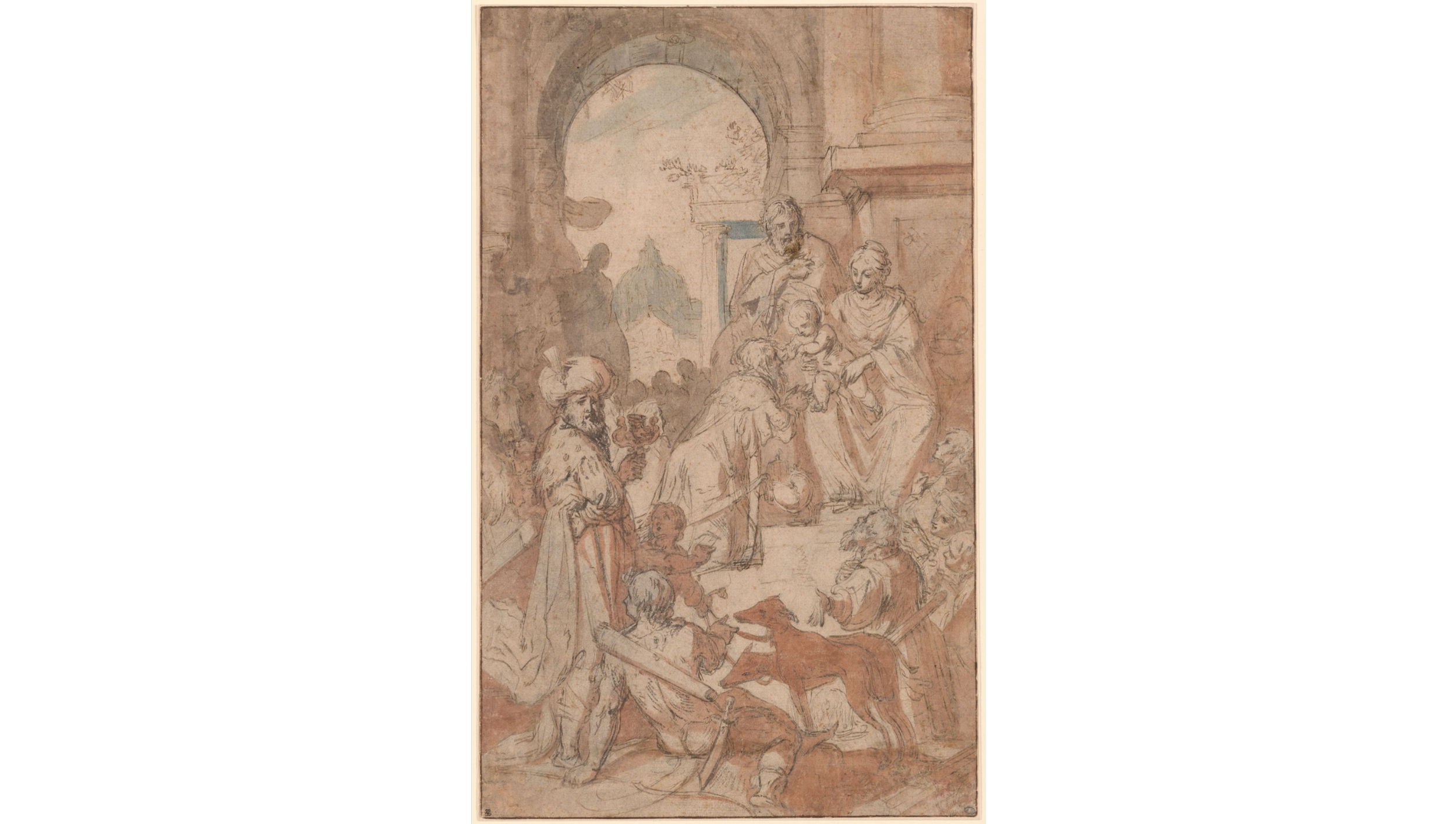
Purchased on the Lois and Walter C. Baker Fund; 1985.21
Giovanni Francesco Barbieri, called Guercino (1591–1666)
Saint William of Aquitaine kneeling, in armour, receiving the monastic habit, 1620
Slightly oiled charcoal on grey paper, 405 × 278 mm, Civica Pinacoteca “il Guercino”, Cento (Ferrara), inv. 105
Dr. Giovanni Sassu, Director of the Civica Pinacoteca "il Guercino", Cento, has kindly chosen our October drawing of the month.
This drawing is among the highlights of the Pinacoteca of Cento’s collection of works on paper—not only for its accomplished draughtsmanship, but because it clearly documents the method by which Guercino defined figures before committing them to canvas.
The sheet is preparatory for The investiture of Saint William, the large altarpiece made for the church of San Gregorio in Bologna in 1620 (now in the Pinacoteca Nazionale), shortly before the artist’s departure for Rome. No fewer than 23 drawings are associated with this canvas: an unusually large corpus that allows close tracing of the compositional development.
Here Guercino focuses on the protagonist, refining poses and attributes later reworked in the painting. The head and torso, shown in profile here, change orientation in the final work; the staff on which William leans becomes the hilt of a sword; the white monastic habit, shown as newly received from the bishop in the drawing, is depicted in the painting as being lifted to be donned. The sequence makes immediately legible the decision to renounce military life in favour of religious vows. The drawing thus serves as a narrative proving ground: examining legibility, balance, and visual hierarchies before the pictorial execution.
The provenance of the sheet is exemplary. It comes from Casa Gennari in Bologna; Carlo Gennari (1712–1790), a descendant of Cesare Gennari, Guercino’s nephew, sold it to the Bolognese painter Francesco Giusti (1752–1828), who kept it until his death. The Giusti collection then passed to Count Zorzi. In 1891 Zorzi transferred the drawing to the Committee for the Celebrations of the Third Centenary of Guercino’s Birth, which acquired it for the Pinacoteca together with Saint Teresa of Ávila kneeling. Both were included in the catalogue of the photographic-documentary exhibition curated by Antonio Orsini and held in Cento that same year at Palazzo Falzoni Gallerani, formerly Scarselli Tassinari.
An exceptional drawing, then, combining formal quality with documentary value, historical significance with civic identity.
Lastly, it should be recalled that the placement of the large canvas in the very church that also housed Ludovico Carracci’s Saint George altarpiece—Carracci had died only a year earlier—has been read by scholars as an ideal passing of the torch between two great Emilian masters of the seventeenth century.
Image Credit: Michelangelo Buonarotti (1475-1564), Study for an ignudo, c. 1511. Collection Teylers Museum
Can we fool you? The term “fake” may be slightly sensationalist when it comes to old drawings. Copying originals and prints has formed a key part of an artist’s education since the Renaissance and with the passing of time the distinction between the two can be innocently mistaken.
Honoré Daumier was one of the most original and brilliant artists of the 19th century. He was an astute observer of human nature who, having worked as a messenger in the law courts as a youth, regularly satirised the legal system and other elements of French society through his drawings.
Daumier was also one of the most regularly copied and plagiarised artists of the 19th century. The Daumier Register, a website and digital catalogue raisonné of the artist, claims that Daumier created a total of 1340 drawings. This compares with 1562 copies, forgeries and unconfirmed works that are listed on the website.
One of the two drawings shown here is an original, while the other is a deceptive copy. But which is which?


-
The original is, of course, the first/left image.Left/Upper Image: Honoré Daumier (1808–1879), Fatherly Discipline, The Art Institute of Chicago, The Arthur Hen Fund, 52-1108
Right/Lower Image: Imitator of Honoré Daumier (1808–1879), A Family Scene, Bonhams, San Francisco
The brilliance of Daumier's technical excellence completely overshadows what, alone in a junk shop, might otherwise be a more deceptive copy. The intention to deceive is evident in the inclusion of the signature which is moved from the open left side of the original to the shadowed right side of the forgery.
Fortunately the forger lacked the talent to pull it off. The forgery lacks Daumier's quickness and sureness with the pen. He has also misunderstood Daumier’s humour, and misrepresented the expressions of the father and son, making the copy look even stiffer and more vapid than it would alone.
For another example of a forgery after the drawing in Chicago, see: Fakes and Forgeries, exhib. cat., Minneapolis Institute of Arts, 1973, pp. 185–186.
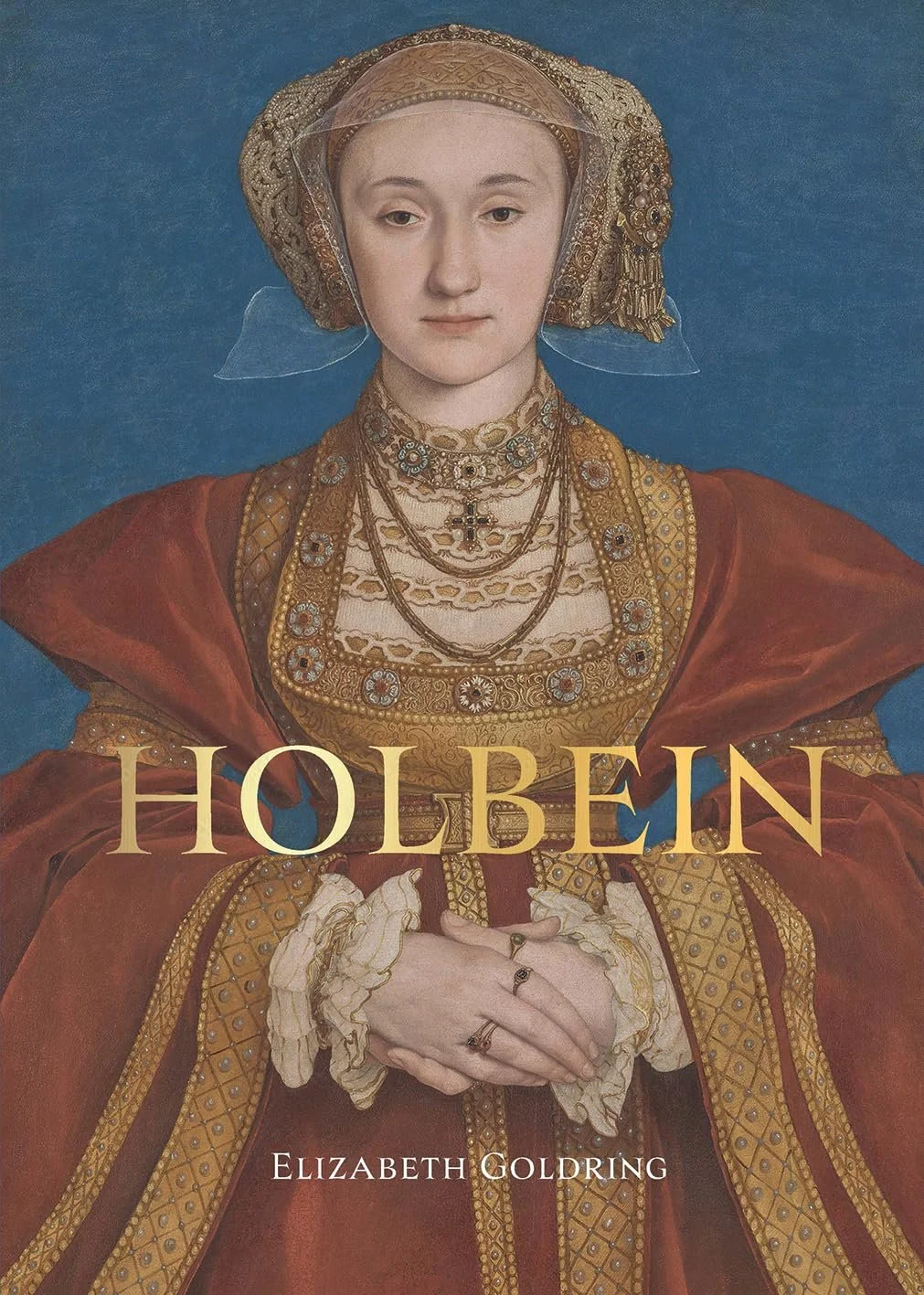
New light has been cast this month on a 400-year old mystery relating to Shakespeare’s “Mr. W.H.”, thought to be Henry Wriothesley, the 3rd Earl of Southampton, the addressee of the poet’s most homo-erotic sonnets. A long-hidden miniature, investigated by Drs. Elizabeth Goldring and Emma Rutherford, might just be a vital piece of evidence that could help shape understanding of literary history.
Kimberly Schenck, former head of paper conservation at the National Gallery of Art in Washington delivers a fascinating lecture on black drawing media "Sticks, Stumps, and Fingers—Drawings Revealed" to celebrate the opening of Sketch, Shade, Smudge: Drawing from Gray to Black, on view until 18 January 2026 at the Harvard Art Museums. Schenck discusses the innovative applications employed by artists in their choice and manipulations of black drawing media and supports, from fingertips to rolled paper stumps.
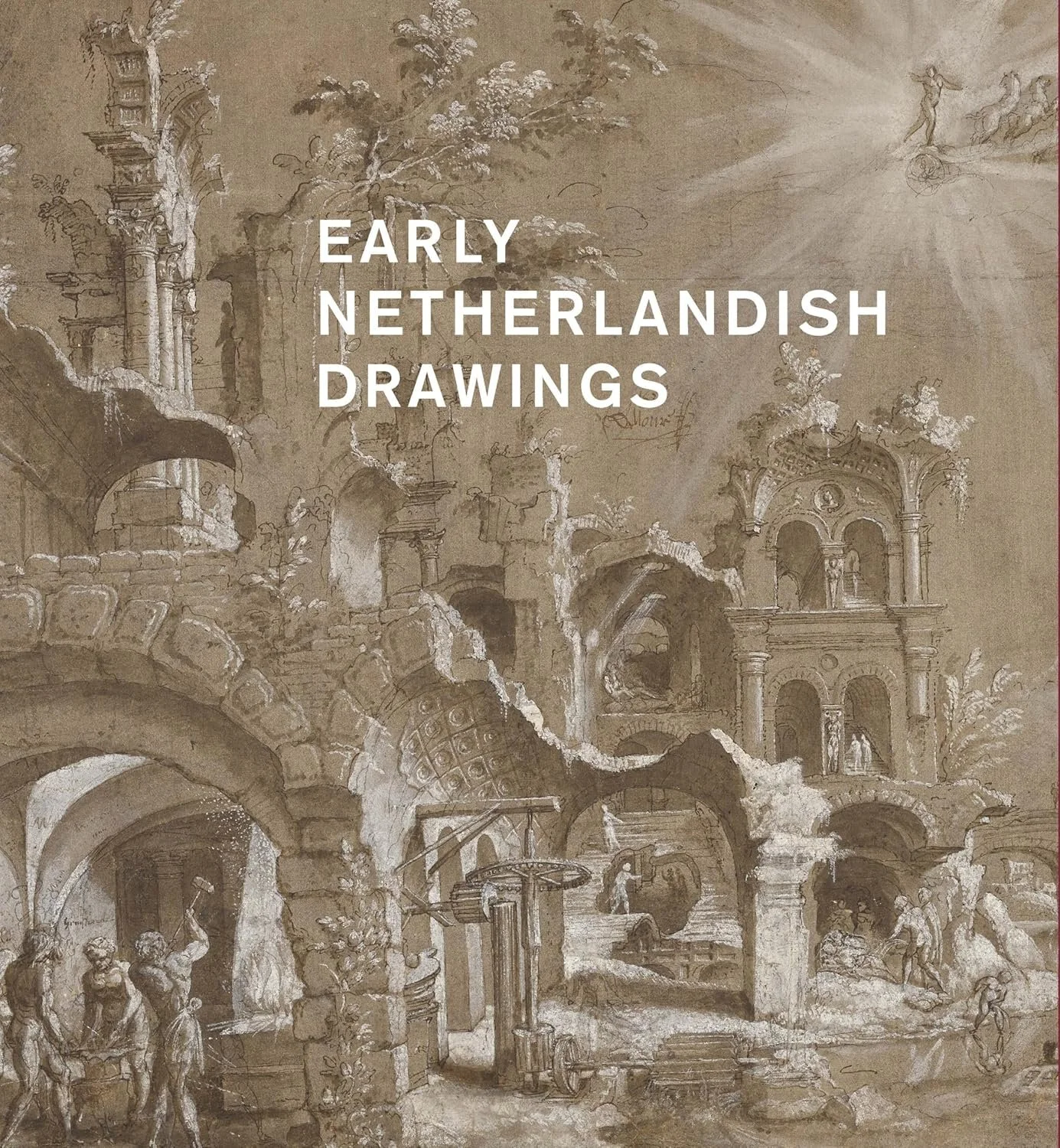
Using the sale of the Anglo-Dutch painter Sir Peter Lely’s collection of almost 10,000 drawings as an entrance point, Alex Cohen examines the sources, inspiration, and motivation behind the drawings produced in the so-called ‘Golden Age’ of the seventeenth century. Ranging from travel, domestic prosperity, functionality, war, and leisure, Cohen guides the reader beyond the worlds of Rembrandt and Rubens.
TROIS CRAYONS RECOMMENDS

*As an Amazon Associate we earn from qualifying purchases