
Real or Fake #26
Saturday, 1 November 2025. Newsletter 26.
Can we fool you? The term “fake” may be slightly sensationalist when it comes to old drawings. Copying originals and prints has formed a key part of an artist’s education since the Renaissance and with the passing of time the distinction between the two can be innocently mistaken.
Honoré Daumier was one of the most original and brilliant artists of the 19th century. He was an astute observer of human nature who, having worked as a messenger in the law courts as a youth, regularly satirised the legal system and other elements of French society through his drawings.
Daumier was also one of the most regularly copied and plagiarised artists of the 19th century. The Daumier Register, a website and digital catalogue raisonné of the artist, claims that Daumier created a total of 1340 drawings. This compares with 1562 copies, forgeries and unconfirmed works that are listed on the website.
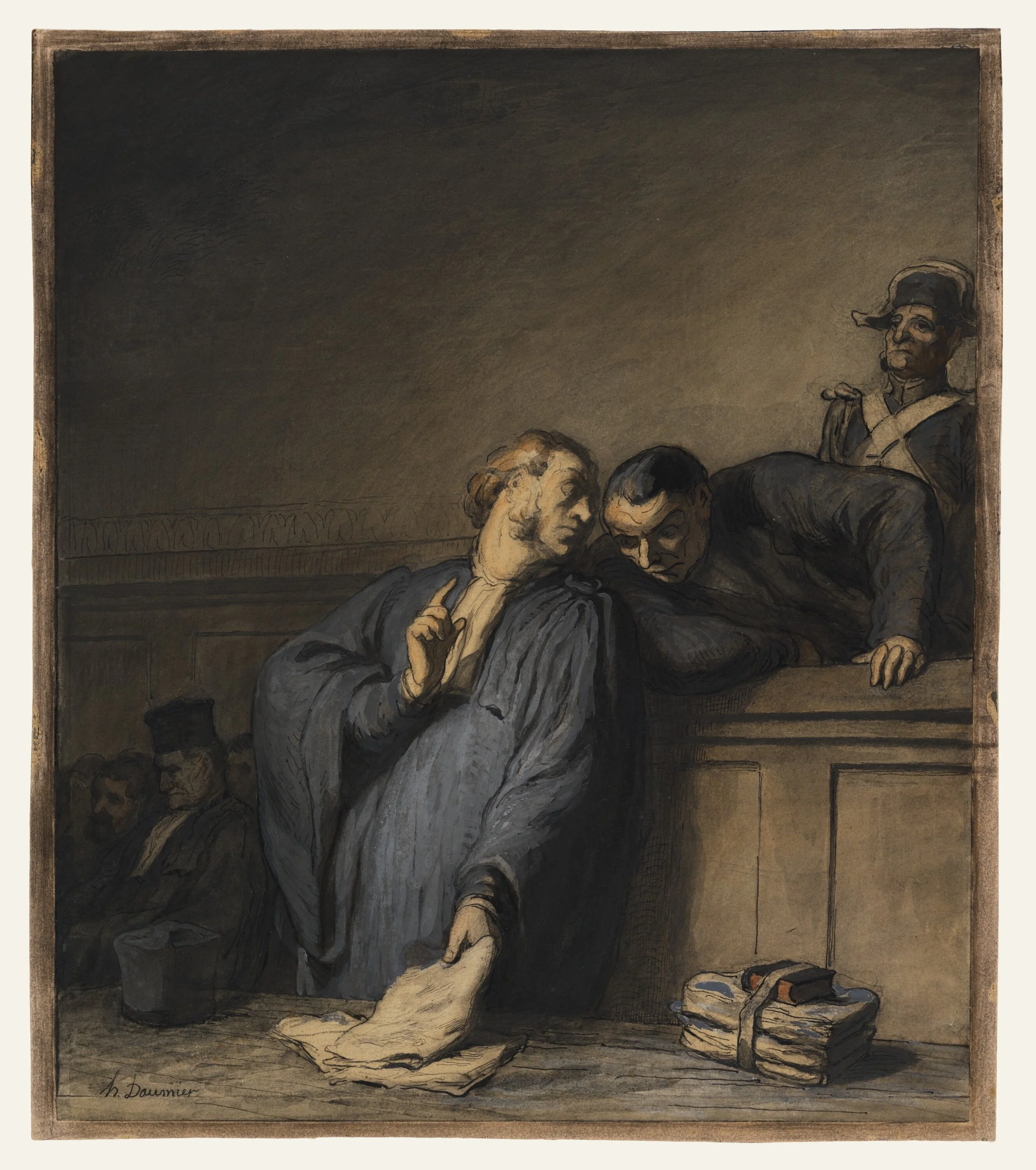
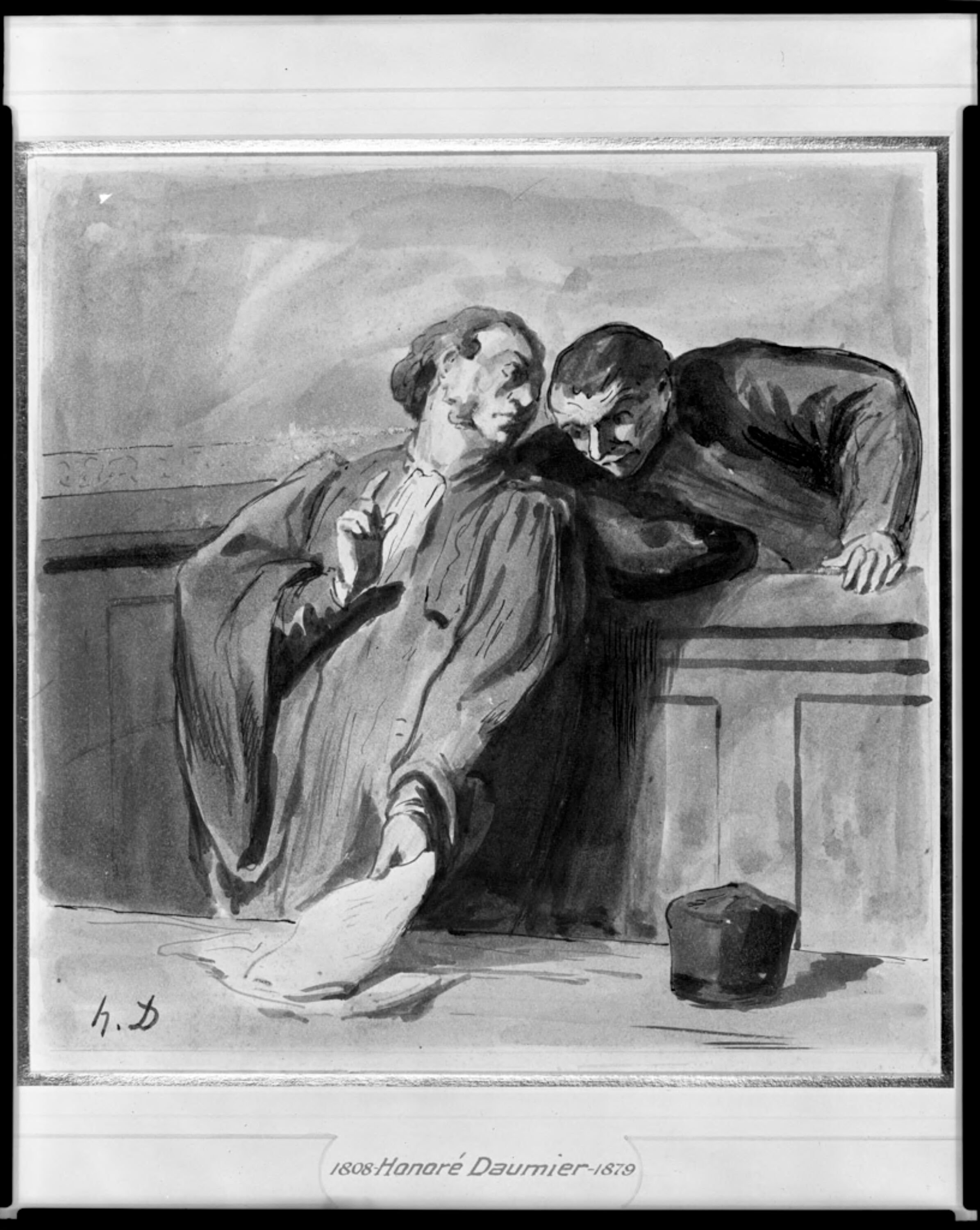
One of the two drawings shown here is an original, while the other is a deceptive copy. But which is which?
Scroll for the answer.
The original is, of course, the first/left image.
Left/Upper Image: Honoré Daumier (1808–1879), A Criminal Case, J. Paul Getty Museum, Los Angeles
Right/Lower Image: Imitator of Honoré Daumier (1808–1879), Pleaders, Harvard Art Museums/Fogg Museum, Bequest of Grenville L. Winthrop